Healthy hair isn’t about buying the most expensive products or following every trend on social media. In reality, beautiful hair starts with a consistent routine that protects your strands, nourishes your scalp, and prevents unnecessary damage.
Whether you’re trying to grow your hair, reduce frizz, or simply improve its overall health, this beginner’s guide covers everything you need to know.
What Does Healthy Hair Look Like?
Healthy hair isn’t necessarily perfectly straight or shiny. Every hair type is different, but healthy hair typically has these characteristics:
- Smooth, soft texture
- Minimal breakage
- Natural shine
- Strong, flexible strands
- Healthy-looking ends
- A clean, balanced scalp
The goal isn’t perfection—it’s creating habits that help your hair thrive over time.
Step 1: Know Your Hair Type
Before choosing products, it’s important to understand your hair.
Ask yourself:
- Is your hair straight, wavy, curly, or coily?
- Is it fine, medium, or thick?
- Does your scalp get oily quickly or stay dry?
- Is your hair color-treated or chemically processed?
Knowing your hair type makes it much easier to choose products that actually work for you.
Step 2: Wash Your Hair the Right Way
One of the biggest mistakes beginners make is overwashing or using products that are too harsh.
General Washing Guide
- Fine hair: Every 1–2 days
- Straight or wavy hair: Every 2–3 days
- Curly hair: Every 3–5 days
- Coily hair: Every 5–7 days
Tips for Better Washing
- Wet your hair thoroughly.
- Massage shampoo into your scalp—not your ends.
- Let the shampoo rinse through the lengths of your hair.
- Apply conditioner from the mid-lengths to the ends.
- Rinse with lukewarm water.
Step 3: Don’t Skip Conditioner
Conditioner helps restore moisture, reduce tangles, and protect your hair from damage.
Choose a conditioner that’s designed for your hair type and use it every time you shampoo.
For extra hydration, use a deep conditioning treatment once a week.
Step 4: Protect Your Hair from Heat
Frequent heat styling is one of the fastest ways to damage healthy hair.
If you use a blow dryer, curling iron, or straightener:
- Always apply a heat protectant first.
- Use the lowest effective temperature.
- Avoid daily heat styling whenever possible.
Your future hair will thank you.
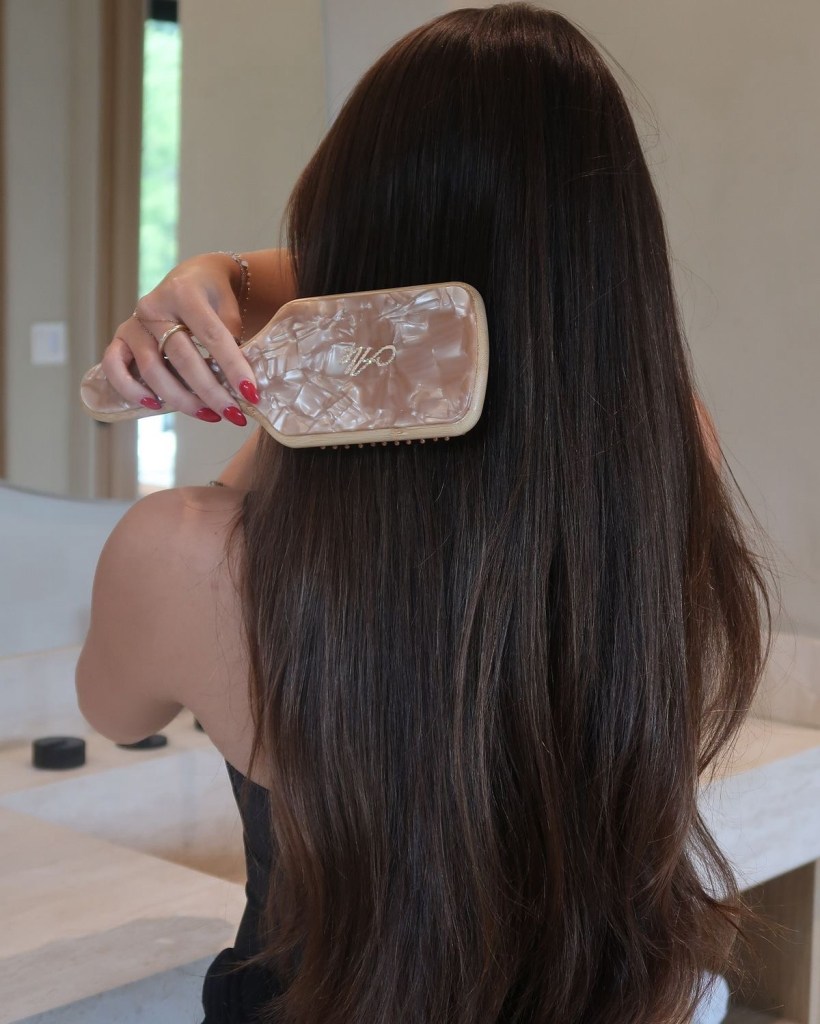
Step 5: Brush Gently
Hair is most fragile when it’s wet.
Instead of aggressively brushing from the roots down:
- Start at the ends.
- Work your way upward.
- Use a wide-tooth comb or a gentle detangling brush.
This simple habit can dramatically reduce breakage.
Step 6: Feed Your Hair from the Inside Out
Healthy hair begins with proper nutrition.
Focus on eating foods rich in:
- Protein
- Iron
- Omega-3 fatty acids
- Zinc
- Vitamin D
- Biotin (found naturally in foods like eggs and nuts)
A balanced diet supports healthy hair growth better than relying on supplements unless a healthcare provider recommends them.
Step 7: Keep Your Scalp Healthy
Your scalp is where healthy hair begins.
Signs of a healthy scalp include:
- No excessive itching
- Minimal flakes
- No heavy product buildup
- Comfortable, balanced skin
To care for your scalp:
- Shampoo thoroughly.
- Clarify once or twice a month if you use lots of styling products.
- Massage your scalp for a few minutes several times a week.
Step 8: Get Regular Trims
Contrary to popular belief, trims don’t make your hair grow faster.
However, they remove split ends before they travel farther up the hair shaft, helping you maintain healthier-looking length.
Most people benefit from a trim every 8–12 weeks, depending on their hair’s condition.
Step 9: Sleep Smarter
Your nighttime routine can have a surprising impact on your hair.
To reduce friction and breakage:
- Sleep on a silk or satin pillowcase.
- Wear your hair in a loose braid if it’s long.
- Avoid going to bed with soaking wet hair whenever possible.
Step 10: Be Patient
Healthy hair doesn’t happen overnight.
On average, hair grows about half an inch (1.25 cm) each month, but consistent care helps you retain that growth by reducing breakage.
Instead of constantly switching products, stick with a routine for several weeks before deciding whether it’s working.
Hair Habits to Avoid
If you’re new to hair care, try to avoid these common mistakes:
- Using heat without a protectant
- Washing with very hot water
- Brushing aggressively when wet
- Tight ponytails every day
- Skipping conditioner
- Overusing dry shampoo
- Constantly trying new products
- Ignoring split ends
Small changes can make a big difference over time.
A Simple Beginner Hair Routine
If you’re feeling overwhelmed, start here:
Wash Day
- Cleanse your scalp with a gentle shampoo.
- Condition the mid-lengths and ends.
- Apply a leave-in conditioner if needed.
- Use a heat protectant before styling.
Weekly
- Deep condition once.
- Clarify if you have product buildup.
- Massage your scalp for a few minutes.
Daily
- Brush gently.
- Protect your hair from excessive heat.
- Stay hydrated and eat a balanced diet.
Final Thoughts
Healthy hair isn’t about perfection or expensive products—it’s about consistency. A simple routine, gentle handling, and a little patience can go a long way toward stronger, shinier, healthier hair.
Whether your goal is to grow your hair longer, reduce breakage, or simply improve its overall appearance, start with the basics. The habits you build today can make a noticeable difference in the months ahead.
Remember, healthy hair is a journey, not a quick fix. Focus on caring for your hair consistently, and you’ll be rewarded with stronger, more resilient strands over time.
Frequently Asked Questions
How often should I wash my hair?
It depends on your hair type. Fine hair may need washing every 1–2 days, while curly or coily hair often benefits from washing every 4–7 days.
What is the most important step for healthy hair?
Keeping your scalp clean, minimizing breakage, and protecting your hair from heat are three of the most impactful habits.
Do expensive hair products work better?
Not necessarily. Many affordable shampoos, conditioners, and treatments contain effective ingredients. Consistency matters more than price.
Can I repair split ends?
Unfortunately, split ends can’t be permanently repaired. Hair products can temporarily smooth them, but trimming is the only way to remove them.
 The Beauty Edits
Leave a comment