
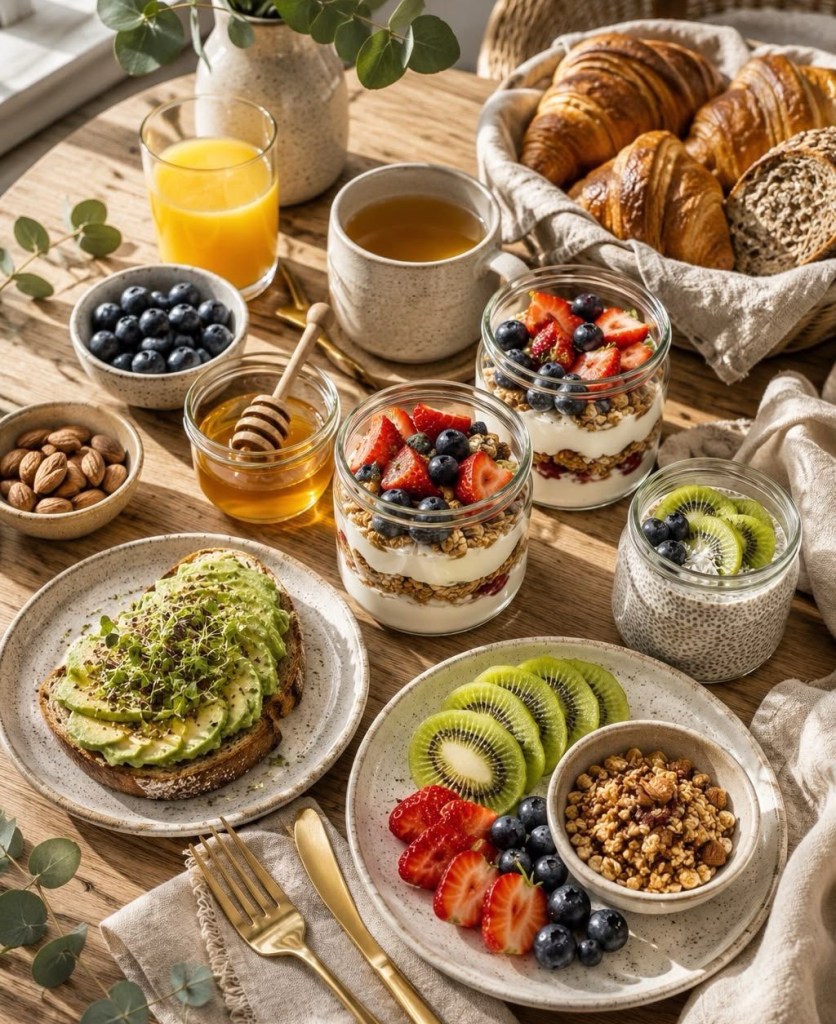
If you’ve ever felt overwhelmed by nutrition advice, you’re not alone. One day a food is considered healthy, and the next it’s supposedly “bad” for you. The truth is much simpler than social media makes it seem.
You don’t need expensive superfoods, restrictive diets, or complicated meal plans to improve your health. The foods that make the biggest difference are often the ones you can find at any grocery store and easily add to meals you already enjoy.
Eating more whole, nutrient-dense foods can help:
- Support a healthy weight
- Improve digestion and gut health
- Strengthen your immune system
- Increase energy levels
- Reduce inflammation
- Support brain function and mental health
- Lower your risk of heart disease, diabetes, and certain cancers
- Keep you feeling full and satisfied longer
Let’s dive into the everyday foods that truly fuel your body.
The Gut-Brain Connection: Why Your Gut Matters More Than You Think
Did you know that your gut and brain are constantly communicating?
Scientists call this the gut-brain axis, a two-way communication system between your digestive tract and your brain. Nearly 90% of your body’s serotonin—a chemical involved in mood—is produced in the gut. A healthy gut microbiome also influences stress levels, immune function, sleep, memory, and inflammation.
When your gut is thriving, you may notice:
- Better digestion
- Improved mood
- More stable energy
- Better focus
- Stronger immune system
- Less bloating
- More regular bowel movements
The best way to support your gut isn’t through trendy detoxes—it’s by consistently eating fiber-rich, whole foods and fermented foods.
1. Greek Yogurt
Greek yogurt is one of the easiest ways to improve gut health while increasing your daily protein intake.
Benefits
- High in protein
- Contains probiotics that support gut bacteria
- Rich in calcium
- Helps keep you full
- Supports muscle recovery
Easy ways to eat it
- Breakfast parfait with berries
- Smoothies
- Ranch dip substitute
- Mixed with peanut butter
- Topped with cinnamon and walnuts
2. Berries
Blueberries, strawberries, raspberries, and blackberries are packed with antioxidants that help protect your cells from damage.
Benefits
- High in fiber
- Supports heart health
- Helps regulate blood sugar
- Boosts brain function
- Rich in vitamin C
Add them to
- Oatmeal
- Yogurt
- Smoothies
- Cottage cheese
- Salads
3. Leafy Greens
Spinach, kale, arugula, and romaine are nutritional powerhouses.
Benefits
- Vitamins A, C, and K
- Folate
- Iron
- Fiber
- Disease-fighting antioxidants
They’re also extremely low in calories while being very filling.
Easy ideas
- Toss into pasta
- Add to sandwiches
- Blend into smoothies
- Mix into scrambled eggs
- Build large salads
4. Eggs
Eggs remain one of the most nutrient-dense foods available.
They provide
- Complete protein
- Choline for brain health
- Vitamin D
- Healthy fats
- B vitamins
Add eggs to
- Breakfast bowls
- Avocado toast
- Salads
- Fried rice
- Wraps
5. Oats
Oats contain a special soluble fiber called beta-glucan that supports heart and gut health.
Benefits
- Keeps you full
- Helps lower cholesterol
- Stabilizes blood sugar
- Supports healthy digestion
Delicious ideas
- Overnight oats
- Protein oatmeal
- Smoothies
- Homemade energy bites
6. Beans & Lentils
Beans may not be glamorous, but they’re one of the healthiest foods you can eat.
Benefits
- Excellent fiber source
- Plant protein
- Supports gut bacteria
- Keeps you satisfied
- Budget-friendly
Add to
- Chili
- Soups
- Burrito bowls
- Salads
- Tacos
7. Salmon
Fatty fish are one of the best foods for brain health.
Rich in
- Omega-3 fatty acids
- Protein
- Vitamin D
- Selenium
These nutrients help reduce inflammation and support your heart and brain.
Easy meals
- Salmon rice bowls
- Sheet pan dinners
- Salads
- Wraps
8. Avocados
Healthy fats help keep you full while supporting your heart and brain.
Benefits
- Fiber
- Potassium
- Healthy monounsaturated fats
- Vitamins E and K
Ways to enjoy
- Toast
- Sandwiches
- Salads
- Tacos
- Smoothies
9. Nuts & Seeds
A handful goes a long way.
Great choices
- Almonds
- Walnuts
- Pistachios
- Pumpkin seeds
- Chia seeds
- Flaxseeds
Benefits
- Healthy fats
- Protein
- Fiber
- Magnesium
- Omega-3s (especially walnuts, chia, and flax)
Perfect for snacks or adding crunch to meals.
10. Colorful Vegetables
Think:
- Bell peppers
- Carrots
- Broccoli
- Brussels sprouts
- Tomatoes
- Sweet potatoes
- Cucumbers
The more colors on your plate, the wider variety of vitamins, minerals, and antioxidants you’re likely getting.
Aim to “eat the rainbow” throughout the week.
11. Garlic & Onions
These flavorful kitchen staples do much more than make food taste amazing.
Benefits
- Natural compounds that support immune health
- Prebiotic fiber that feeds beneficial gut bacteria
- May help reduce inflammation
- Support heart health
They’re an easy addition to soups, roasted vegetables, sauces, stir-fries, eggs, and grilled meats.
12. Citrus Fruits
Oranges, grapefruit, lemons, and limes are excellent sources of vitamin C.
Benefits
- Supports immune function
- Helps your body absorb iron from plant foods
- Provides antioxidants
- Adds flavor without added sugar
Enjoy whole citrus fruits as snacks or squeeze fresh lemon or lime over vegetables, fish, salads, or water.
13. Whole Grains
Instead of avoiding carbohydrates altogether, focus on choosing whole grains more often.
Great options include:
- Brown rice
- Quinoa
- Whole wheat bread
- Whole grain pasta
- Farro
- Barley
Whole grains provide fiber that nourishes your gut microbiome while helping you stay satisfied between meals.
14. Fermented Foods
Fermented foods naturally contain beneficial bacteria that can support a healthy gut.
Try incorporating:
- Kefir
- Sauerkraut
- Kimchi
- Plain yogurt with live cultures
- Miso
- Tempeh
Start with small portions if you’re new to fermented foods and increase gradually.
15. Herbs and Spices
Herbs and spices don’t just add flavor—they’re packed with beneficial plant compounds.
Some favorites include:
- Turmeric
- Ginger
- Cinnamon
- Oregano
- Basil
- Rosemary
- Thyme
These can help reduce inflammation, support digestion, and make healthy meals much more enjoyable without relying on excess salt or sugar.
Build Every Meal Around These Five Things
Instead of counting calories, try building your meals using this simple formula:
✅ A protein source (chicken, fish, eggs, Greek yogurt, beans)
✅ A colorful fruit or vegetable
✅ A fiber-rich carbohydrate (oats, brown rice, potatoes, quinoa, whole grains)
✅ Healthy fats (avocado, olive oil, nuts, seeds)
✅ Flavor from herbs, spices, garlic, onions, or citrus
This balanced approach helps support steady energy, better digestion, and long-lasting fullness.
Healthy Snack Ideas That Actually Keep You Full
Try combinations like:
- Apple slices with peanut butter
- Greek yogurt with berries and chia seeds
- Cottage cheese with pineapple
- Hummus and vegetables
- Hard-boiled eggs with fruit
- Mixed nuts and grapes
- Whole grain crackers with cheese
- Banana with almond butter
- Roasted chickpeas
- Trail mix made with nuts, seeds, and dried fruit
These snacks combine protein, fiber, and healthy fats to help keep hunger in check.
Healthy Eating Doesn’t Have to Be Perfect
You don’t need to eliminate your favorite foods or eat “clean” 100% of the time.
The goal isn’t perfection—it’s consistency.
By simply adding more whole foods to your meals each day, you’ll naturally increase your intake of fiber, protein, vitamins, minerals, and healthy fats that support nearly every system in your body.
Small changes—like adding berries to breakfast, spinach to your eggs, beans to your lunch, or vegetables to dinner—can have a meaningful impact over time.
Your body is constantly working to heal, repair, and protect itself. Giving it nourishing foods every day is one of the most powerful ways to support your health for years to come.
Remember: Healthy eating isn’t about restriction—it’s about choosing foods that help you feel energized, satisfied, and strong while still enjoying the meals you love.
 The Beauty Edits
Leave a comment